Use-case guide ยท 2026

Best generator for an RV Air Conditioner

Every RV generator conversation is secretly about one appliance: the rooftop air conditioner. A 13,500 BTU unit runs on modest power but demands a serious surge to start its compressor โ€” get the sizing right and everything else in the rig is easy.

The power requirements

Running watts

1,300โ€“1,700W (13,500 BTU) / 1,700โ€“2,000W (15,000 BTU)

Starting surge

2,800โ€“3,500W (compressor start; more for 15K units)

  • โ–ธA soft-start kit (~$300 installed) cuts starting surge by up to 70% and can bring a 15K AC within reach of a 4,500-class inverter.
  • โ–ธRV-ready means a TT-30R outlet on the generator โ€” no adapter stack.

Adding more appliances? Run your full load through the sizing calculator โ†’

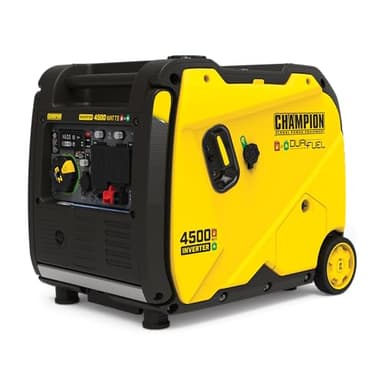
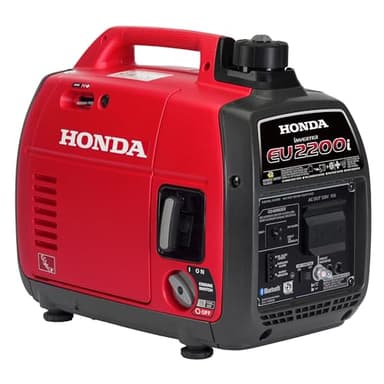
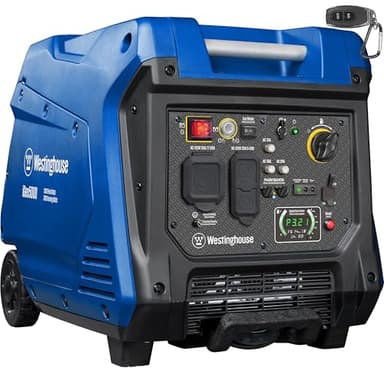
Our picks

Before you buy

  • โ–ธPropane derate matters at the margin: a dual-fuel 4,500-class unit loses ~10% on LP, which can make a hot-day 15K AC start marginal. Run gasoline for the AC, or add a soft start.
  • โ–ธQuiet hours are enforced โ€” inverter generators in the low-60s dBA or better are the socially acceptable choice.
  • โ–ธAltitude costs power (~3% per 1,000 ft) โ€” mountain campers should size with margin.

Frequently asked questions

Will a 3,500-watt generator run a 13,500 BTU RV air conditioner?

Generally yes โ€” 13,500 BTU units surge to roughly 2,800โ€“3,200W and run at 1,300โ€“1,700W. A quality 3,500โ€“4,500W inverter handles it; add a soft-start kit for comfortable margin or for 15,000 BTU units.

Can two 2,200-watt generators in parallel run an RV AC?

Yes. Paired 2,200-class inverters deliver ~3,600โ€“4,400W combined, enough for a 13,500 BTU AC โ€” that's exactly why parallel kits exist.

More use-case guides