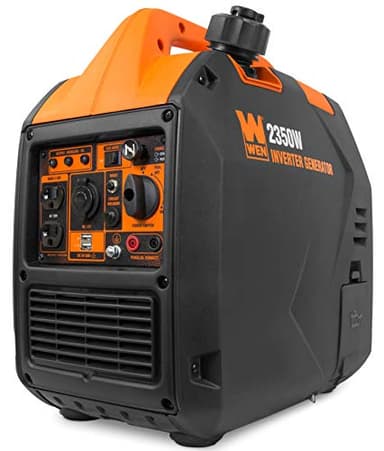
1. WEN 56235i 2350W
8.0
/ 10
39 lb, 51 dBA, and 1,900 running watts covers everything short of an RV air conditioner — the sensible first camping generator.
Read full review
~$429 typical price
Buy on AmazonUse-case guide · 2026
Camping power has one rule: don't be the loud campsite. Modern small inverters run at conversation volume and battery stations are perfectly silent — between them, there's no excuse for a droning open-frame generator echoing across a lake.
Running watts
300–1,500W covers most camp setups
Starting surge
Usually trivial — unless a coffee maker and griddle collide
Adding more appliances? Run your full load through the sizing calculator →
39 lb, 51 dBA, and 1,900 running watts covers everything short of an RV air conditioner — the sensible first camping generator.
~$429 typical price
Buy on Amazon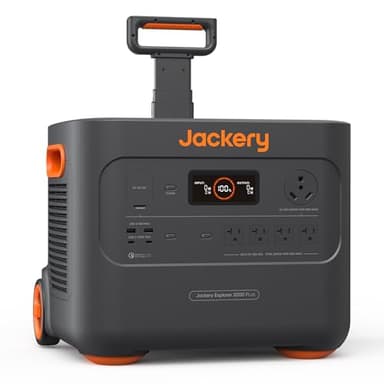
Zero noise, zero fuel, zero CO — usable inside the tent, allowed at every campground, and 2kWh handles a long weekend of fridge, lights, and devices. Add solar and it's indefinite.
~$1,799 typical price
Buy on Amazon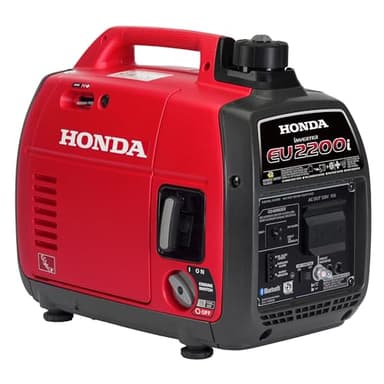
The campground gold standard for twenty years: quietest in class, starts first pull every season, outlives the tent it powers.
~$1,099 typical price
Buy on AmazonFor weekend trips with light loads, a battery station wins: silent, no fuel, allowed everywhere. A small inverter generator wins for longer trips, bigger loads, or anywhere recharging isn't practical. Many campers eventually run both — battery by night, generator top-up by day.
Aim for under 60 dBA at 25% load. The picks here run 48–58 dBA — normal conversation volume — which keeps you inside every campground's rules and everyone's good graces.