Use-case guide · 2026

Best generator for a Food Truck

A food truck's generator is a business asset with two jobs: run the kitchen all shift without fail, and do it quietly enough that customers happily stand six feet away. Noise is a revenue issue — nobody lingers at a window next to a roaring open-frame unit.

The power requirements

Running watts

2,500–5,000W for a typical electric setup

Starting surge

Refrigeration and compressor surges — size the peak, not just the average

  • Typical stack: reach-in fridge (400W), freezer (400W), warmers (1,000–2,000W), POS + lights (300W), exhaust fan (250W), coffee/blender spikes on top.
  • Trucks running propane cooking need far less electrical power than all-electric builds — know which you are before sizing.

Adding more appliances? Run your full load through the sizing calculator →

Our picks

Top pick
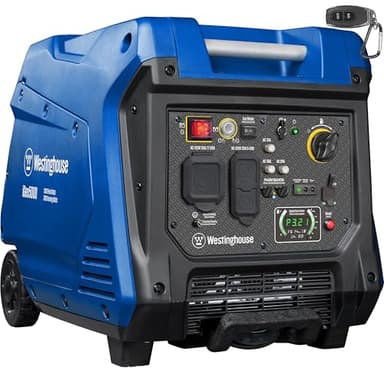
Westinghouse iGen4500

The service-window sweet spot: 3,700 running watts covers a propane-cooking truck's electrical stack at 52 dBA, with a data display that shows load at a glance and 18-hour eco runtimes for double shifts.

Before you buy

  • Many cities and events cap generator noise (often ~70 dBA); quiet inverters keep you eligible for the best-paying events.
  • Mount or chain it — generator theft from trucks is depressingly common.
  • Log hours and change oil on schedule: this is commercial duty, and a dead generator is a closed business.

Frequently asked questions

What size generator does a food truck need?

Propane-cooking trucks typically need 3,000–4,500W for refrigeration, warmers, POS, and lights. All-electric builds with fryers or griddles need 8,000W+ — audit your equipment's nameplate wattage and add 20% margin.

How quiet should a food truck generator be?

Under 60 dBA at typical load keeps customers comfortable at the window and satisfies most event noise rules. That means an inverter generator — open-frame units run 72+ dBA.

More use-case guides