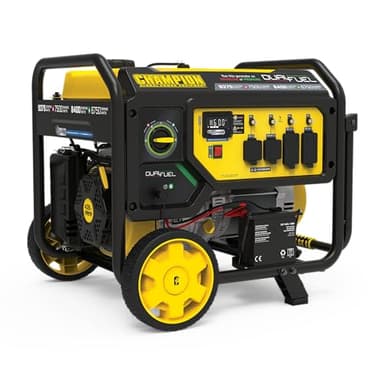
Through a 6-circuit transfer switch it carries the furnace, fridge, well pump, and lights simultaneously — the standard winter-outage setup for cold-climate homes.
Read full review
~$849 typical price
Buy on AmazonUse-case guide · 2026
A winter outage is a race against your home's falling temperature, and the frustrating part is that a gas furnace needs barely any electricity — a few hundred watts for the blower and controls. The challenge isn't wattage; it's that furnaces are hardwired, so you need the right connection method, not a bigger generator.
Running watts
400–800W (blower motor + controls, gas furnace)
Starting surge
1,200–2,400W (blower start)
Adding more appliances? Run your full load through the sizing calculator →
Through a 6-circuit transfer switch it carries the furnace, fridge, well pump, and lights simultaneously — the standard winter-outage setup for cold-climate homes.
~$849 typical price
Buy on Amazon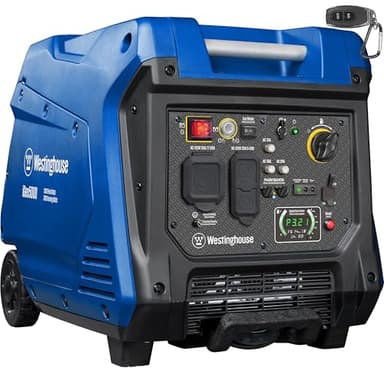
If your electrician installs a furnace outlet kit, this runs the blower at library volume all night on eco mode — a much more livable overnight companion than an open-frame machine.
~$949 typical price
Buy on Amazon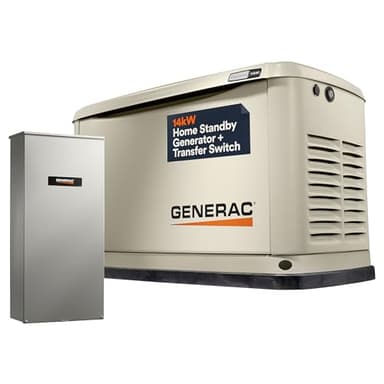
For homes where frozen pipes are a real risk during away-from-home outages, an automatic standby keeps heat on whether or not anyone's there to pull a starter cord.
~$5,399 typical price
Buy on AmazonNot directly — furnaces are hardwired. You need either a transfer switch covering the furnace circuit or an electrician-installed furnace plug kit. Both are routine, inexpensive electrical jobs.
Almost any 2,200W+ generator handles a gas furnace's 400–800 running watts and ~2,000W blower surge. Size up only for the other loads you want alongside heat.