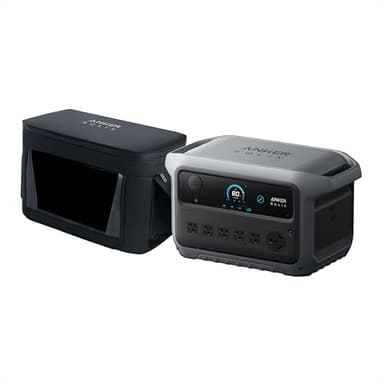
1. Anker SOLIX C2000 Gen2
8.6
/ 10
2kWh runs an apartment's fridge-plus-devices load through a day-long outage, stores in a closet, and costs less than any comparable major-brand unit.
Read full review
~$1,099 typical price
Buy on AmazonUse-case guide · 2026
Let's say it plainly: there is no safe way to run a gas or propane generator in an apartment, on a balcony, or in any attached garage. Carbon monoxide kills at shocking speed in enclosed and semi-enclosed spaces. The good news is that battery power stations have made real outage backup genuinely available to renters and condo owners — silent, fume-free, and allowed by every lease.
Running watts
300–1,500W covers apartment essentials
Starting surge
Fridge surge (~1,000W) is the only real spike
Adding more appliances? Run your full load through the sizing calculator →
2kWh runs an apartment's fridge-plus-devices load through a day-long outage, stores in a closet, and costs less than any comparable major-brand unit.
~$1,099 typical price
Buy on Amazon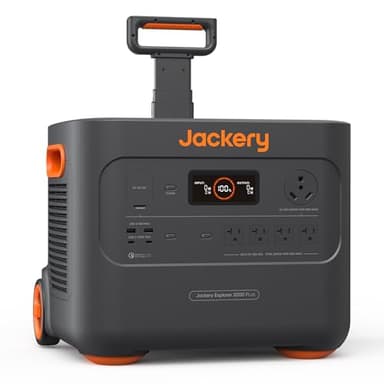
The friendliest interface in the category, and expandable later — start with one unit, add batteries if your outages prove longer than expected.
~$1,799 typical price
Buy on Amazon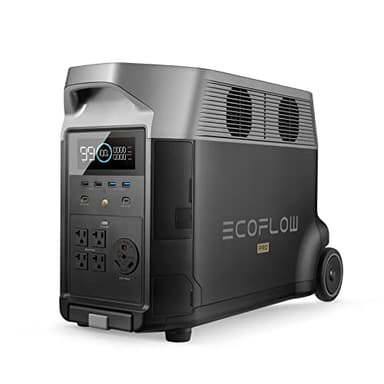
For medical equipment, work-from-home stakes, or outage-prone grids, 3.6kWh (expandable) with 3,600W output is as close to a whole-apartment UPS as it gets.
~$2,699 typical price
Buy on AmazonNo — never. CO accumulates around balconies and re-enters through doors, windows, and vents, and fire codes plus virtually all leases prohibit it. Battery power stations exist precisely for this situation.
A refrigerator's duty cycle for 16+ hours, or fridge plus router, phones, laptop, and LED lights for most of a day. Turn things off between uses and it stretches further.